

By aleeshawear.ae
Disclosure: As an Amazon Associate, we earn from qualifying purchases.
Uzbek, Kazakh, Kyrgyz, Tajik, and Turkmen communities represent a genuinely growing presence across Dubai and Abu Dhabi — as tourists drawn by direct flights and luxury shopping, as students, and increasingly as residents building a life here. It's a smaller, less-documented community compared to South Asian or Filipino populations in the UAE, but a real and rising one, and the honest answer to how these women actually dress is: it depends heavily on generation, and the trend clearly leans Western.
📌 What Chinese Women Wear in Dubai — And How Every Curvy Woman Can Steal Their Style
The Real Shift Happening Back Home First
To understand how Central Asian women dress in the UAE, it helps to understand what's already happening across Central Asia itself. Following the Russian conquest of the region in the 19th century, Western clothing and fashion became increasingly popular, particularly among younger and more educated generations, a shift that has only accelerated in the decades since independence. Today, walking through Tashkent, Almaty, or Bishkek shows a genuine mix: older generations and rural communities often maintain traditional dress, while younger, urban, and professionally educated women lean heavily Western in daily life, reserving traditional pieces specifically for weddings, Nowruz (the Persian New Year, widely celebrated across the region), and other cultural milestones.
This same pattern, if anything, intensifies once these women travel to or settle in a genuinely cosmopolitan hub like Dubai, a city many already visit specifically for luxury shopping and international fashion access unavailable at home.
What "Traditional" Actually Looks Like, When It Does Show Up
Traditional Central Asian dress varies meaningfully by country, and it's worth knowing the real names and details rather than treating it as one generic look. Uzbek women's traditional dress centers on the khan-atlas tunic-dress — made from vibrant, ikat-patterned silk — paired with wide trousers called lozim, often finished with gold-thread embroidery known as zardoʻzi. Tajik traditional dress features long robes called kurta, worn over trousers called izor, gathered and tied at the ankle. Kyrgyz traditional dress leans toward bold geometric patterns and felt textiles, while Kazakh dress historically shows more Russian and Siberian influence in its detailing. These pieces genuinely do appear in the UAE, but almost exclusively at weddings, Nowruz celebrations, and formal cultural gatherings within these communities — not as daily wear.
📌 Pakistani & South Asian Dresses For UAE Weather For Women Of All Sizes, Especially Curvy
Why Dubai Specifically Has Become a Shopping Destination for This Community
Direct flights connect Tashkent, Almaty, and Bishkek to Dubai in just a few hours, and for many Central Asian women, a UAE trip genuinely doubles as a shopping trip, international brands, tax-free retail, and a far wider range of Western fashion than what's typically available at home. This matters for the dressing question specifically, since a woman arriving with this exact purpose in mind is already leaning Western before she's even landed, actively seeking out the fitted dresses, structured separates, and international labels that may be harder to find or significantly pricier back home. Dubai Mall, Mall of the Emirates, and the Marina's boutique strip have all become genuine points of reference within Central Asian social media and travel content specifically because of this — turning a fashion trip into as much of the visit's purpose as sightseeing itself.
Everyday Dressing in the UAE — Genuinely Western, With Real Nuance
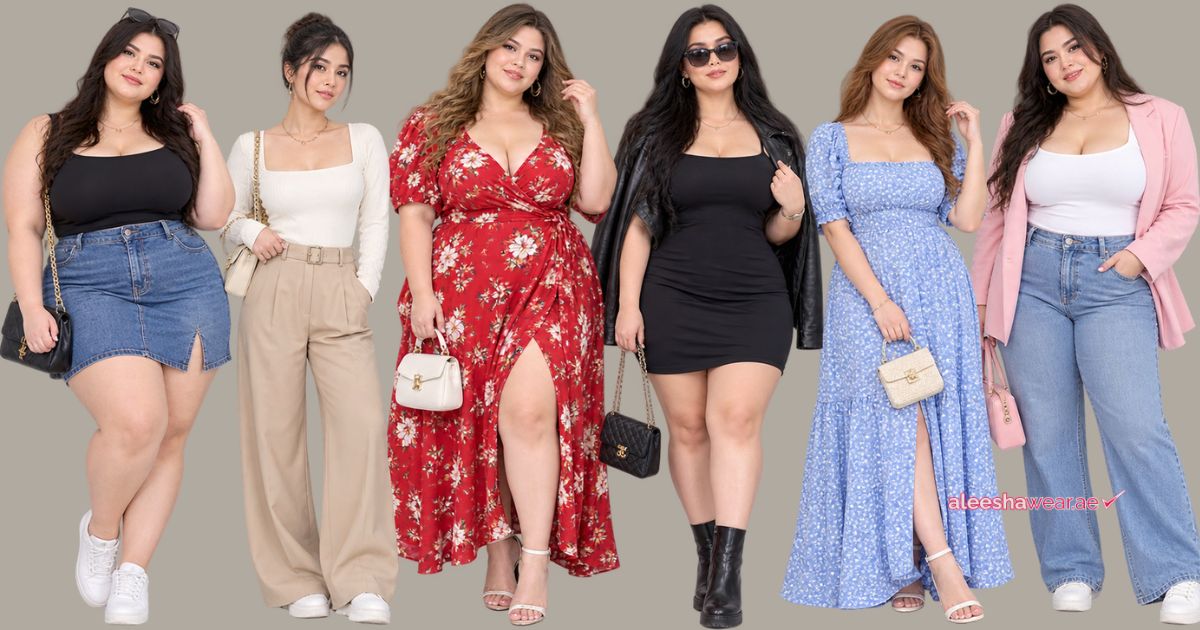
Day to day, Central Asian women across Dubai and Abu Dhabi dress in ways that would look at home in any major Western or international city — fitted dresses, tailored separates, and a clear preference for polished, put-together looks that reflect the same fashion-forward sensibility already growing across Tashkent and Almaty.
QINSEN — Reliable Fitted Dresses for Everyday Western Style
This love for sleek, Western-style outfits is exactly why a brand like QINSEN has become so popular with Central Asian women living out here. If you’ve spent any time on social media, you probably know them for those viral, double-lined basics, like their bodycon maxi dresses and square-neck tanks. The material is thick, stretchy, and actually holds you in without being see-through, which makes it perfect for Dubai’s weather. What makes it work so well for Central Asian girls in the UAE is how versatile it is. You can wear a simple neutral dress on its own for a coffee run, dress it up with a blazer for work, or use it as a smooth, breathable base layer under an open Emirati abaya or a modern ikat vest. It gives you that effortless, put-together look that fits right into Dubai’s cosmopolitan vibe while still letting you mix in subtle nods to your own style.
👉 Shop QINSEN Western Dresses on Amazon.ae
One genuine nuance worth mentioning honestly: this Western shift isn't universal or uncontested even back home. Debates around "appropriate" dress genuinely exists across Central Asia, with some governments and cultural commentators pushing back on both overly revealing Western styles and increasingly visible Islamic dress alike, favoring a return to specifically national traditional clothing instead. Women arriving in the UAE carry this same range of personal views with them — some genuinely embrace Western style fully, others blend it carefully with modest layering, and a smaller number lean more traditional even in daily life.
📌 How European Women Dress in the UAE — German, French, Italian, and Spanish Style
For Special Occasions — Bringing Tradition Into a UAE Setting
For a Nowruz celebration or a wedding within the community, an ikat-print piece pays real homage to the khan-atlas tradition without requiring an actual imported garment.
Sumche — Reliable and Bold-Print Occasion Dresses
Another name making its way into the wardrobes of Central Asian expats is Sumche. If you look them up on Amazon.ae, they are mostly famous for their ultra-fitted, high-stretch silhouettes, but it’s their bold print occasion dresses that really catch the eye. They do everything from fierce snakeskin to vibrant leopard print maxis, which hits on that love for striking, high-impact fashion that you often see in the streets of Almaty or Tashkent. For a formal dinner or a night out in Dubai, a Sumche long-sleeve print dress serves as a great statement piece. It gives you that sharp, body-skimming Western cut, but the loud, expressive pattern acts as the perfect nod to the bold aesthetics and rich visual textures these women grew up with back home. It's a fun, modern way to bring a bit of drama to an outfit without relying on traditional, heavy ceremonial clothes.
👉 Shop Sumche Print Occasion Dresses on Amazon.ae
The Honest Bottom Line
Central Asian women in the UAE genuinely do wear Western dresses, most of the time, for most of daily life — this isn't a surprising exception, it's an extension of a shift already well underway across Uzbekistan, Kazakhstan, and their neighbors over the past several decades. Traditional dress hasn't disappeared; it's simply been reserved for the moments that call for it specifically — a wedding, Nowruz, a genuine cultural celebration — while everyday life in Dubai looks much like everyday life anywhere else this community has built a home. 💕
-
Western Business Attire for Women in the UAE
Reliable Western business attire for women in the UAE — blazers, suits, and tailored pieces,…

-
The Ultimate Guide to UAE Modest Wear for Petite Frames (Plus Local Labels We Love)
The ultimate guide to UAE modest wear for petite frames — real proportion tips, trusted…
-
7 Homegrown UAE Modest Fashion Brands To Have On Your Radar
Discover 7 homegrown UAE modest fashion brands UAE women actually wear.